
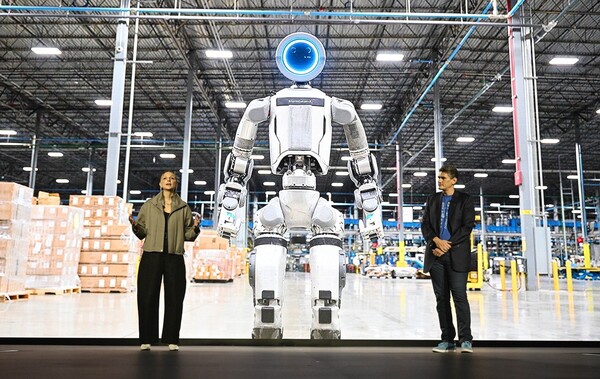
Hyundai Motor Group has unveiled its "AI Robotics" strategy, declaring a shift toward a human-centered era of Physical AI built on collaboration between people and robots.
The group presented its robotics vision under the theme "AI Robotics, Beyond the Lab to Life: Partnering Human Progress" at CES 2026 Media Day on January 5 at the Mandalay Bay Convention Center in Las Vegas.
The strategy focuses on three pillars: human–robot collaboration starting on the manufacturing floor, building an AI robotics ecosystem by integrating group-wide capabilities, and expanding global partnerships with leading AI companies. Moving beyond hardware- and mobility-focused robots, Hyundai Motor Group aims to become a leading Physical AI company by leveraging its value chain and broad product portfolio.
At CES 2026, Hyundai Motor Group and Boston Dynamics unveiled next-generation electric humanoid robot Atlas research and development models for the first time worldwide. The research model is designed to test core technologies for future products, serving as a foundation for next-generation humanoids with fully autonomous operation and natural, stable movement enabled by 360-degree rotating joints.
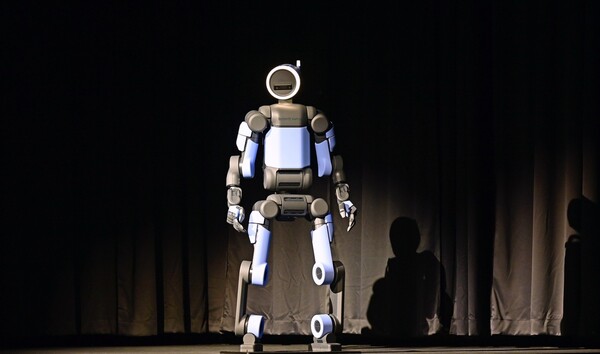
The development model features 56 degrees of freedom, human-sized hands with tactile sensors, and 360-degree vision for enhanced environmental awareness. It can lift up to 50 kg (110 pounds), reach heights of 2.3 meters (7.5 feet), operate reliably in temperatures from –20°C to 40°C (–4°F to 104°F), and is water-resistant for cleaning. The robot is also capable of autonomously replacing its battery and resuming tasks when power runs low.
Hyundai Motor Group plans to begin deploying Atlas at its Hyundai Motor Group Metaplant America (HMGMA) from 2028, expanding to assembly processes after 2030. The company aims to establish a mass-production system of up to 30,000 robots annually and lead the industrial humanoid market.
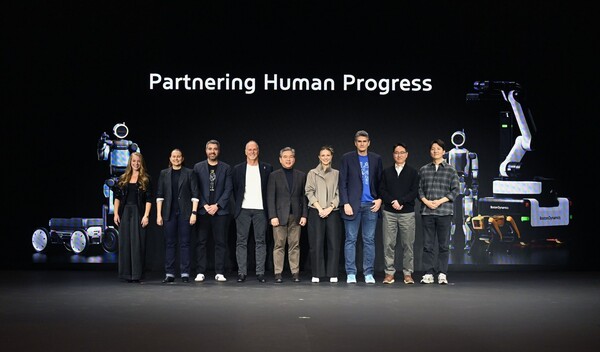
The group is also advancing Physical AI through collaborations with global AI leaders such as NVIDIA and Google DeepMind, while accelerating commercialization through a subscription-based Robots as a Service (RaaS) model.
A Hyundai Motor Group official said the company prioritizes what humanity can achieve through technology rather than what technology alone can do, adding that the group will continue to realize its corporate vision of "Progress for Humanity" through true collaboration between humans and robots.
During CES 2026, Hyundai Motor Group will operate a 1,836-square-meter exhibition space featuring recreated AI robotics research environments and hands-on demonstrations, allowing visitors to experience real-world scenarios of Physical AI in daily life and work settings.
Join Our Telegram Channel for Breaking News
IT Times YoungHa Kim (yhkim@ittimes.com)
관련기사
- Samsung Unveils 'AI Companion' Vision at CES 2026 Ahead of Show Opening
- Hyundai Motor’s MobED Wins CES 2026 Best of Innovation Award in Robotics
- HLB Group Appoints Former Samsung Biologics CEO Kim Tae-han as Bio Chairman
- Samsung Unveils Galaxy Book6 Series with AI-Powered Performance and Ultra-Thin Design
- New KTO President Park Sung-hyeuck Unveils Plan to Attract 30 Million Visitors