
AI, 메타버스, 로봇, Web3 외 6개 기술 분야 선정돼
21일 (현지 시간) 미국 경제 전문지 포브스는 2023년의 기술 동향을 정리했다. AI, 메타버스, 로봇, 웹3, 신재생에너지 등 10개 분야를 2023년 주요 기술로 전망했다.
1. AI
현실에 접목되는 AI를 2023년에는 쉽게 볼 수 있다. 스티치픽스(Stitch Fix)가 AI 알고리즘을 통해 고객 체형과 취향에 맞는 옷을 추천하듯이 AI 기술 기반의 제품과 서비스 공급이 대중화된다. 쇼핑 문화에도 변화가 생긴다. AI는 소비자의 상품 구매와 지불방식을 간소화 시키며, 판매자의 재고 정리도 자동화 시킨다. 상품 배송에도 AI가 접목되어 자율 배송시스템이 구축된다.
2. 메타버스
메타버스가 현실화 된다. 플랫폼에서 놀고, 일하고, 상호 관계를 맺는 것이 점차 자연스러워질 것이다. 전문가들은 2030년 메타버스 경제 규모가 5조 달러(약6,800억원)에 도달할 것으로 전망한다. 특히 2023년은 향후 10년간의 메타버스 방향을 정하는 중요한 해라고 정의하고 있다. 메타버스의 필수 요소인 증강현실(AR)과 가상현실(VR) 기술은 계속 발전하고, 2023년에는 몰입도 높은 메타버스 회의 환경도 구축될 것으로 내다봤다. 실제로 마이크로소프트(Microsoft)와 엔비디아(Nvidia)는 메타버스 플랫폼을 공동 개발하고 있다.
3. Web3
블록체인 기술은 2023년에도 분산 제품과 서비스에 접목된다. 예를 들어, 현재 클라우드에 저장되고 있는 데이터 저장소는 개인화되고 분산된다. 블록체인 기술은 데이터를 암호화하여 정보의 보안성 뿐만 아니라 데이터 엑세스 향상 및 분석에 기여하게 된다. 디지털 제품 및 서비스의 계약 부문에서의 NFT(Non-Fungible Token)의 많은 활용이 예측된다.
4. 물리적 세계와 디지털 세계를 이어주는 새로운 기술
디지털 트윈과 3D 프린팅 기술로, 디지털 세계와 물리적 세계가 이어지는 것을 보게 된다. 디지털 트윈은 안전한 디지털 환경에서 새로운 아이디어를 테스트하는 데 사용할 수 있는 실제 프로세스, 운영 또는 제품의 가상 시뮬레이션이다. 디자이너와 엔지니어는 디지털 트윈을 사용하여 가상 세계 내에서 실제 개체를 재현한다. 상상할 수 있는 모든 조건에서 테스트를 저비용으로 실현할 수 있다. 또한 가상 세계에서 테스트한 후 3D 인쇄 기술을 사용하여 실제 세계에서 사용할 수 있는 부품을 만들 수 있다. 예를 들어, F1 자동차를 가상 세계에서 시뮬레이션으로 구동 시켜본 후, 필요한 부품을 3D 프린트로 인쇄하는 것이다.
5. 자연과 인간 편집
나노기술을 통한 자가 치유 기능처럼 완전히 새로운 기능을 갖춘 재료를 물질, 식물, 심지어 인간까지도 편집하여 변화시킬 수 있는 세상에 살게 된다. 2023년에는 유전자 편집 기술이 가속화된다. DNA를 변경하여 "자연을 편집(edit nature)"할 수 있는 능력이 증가하는 것도 볼 수 있다. DNA 돌연변이를 수정하고, 음식 알레르기 문제를 해결하고, 작물의 건강을 높이거나 눈, 머리 색깔 등의 인간 구성요소도 편집할 수 있다.
6. 양자 컴퓨팅
전 세계적으로 양자 컴퓨팅을 개발을 위한 경쟁이 벌어지고 있다. 양자 컴퓨팅의 잠재적 위험은 현재 암호화 관행을 쓸모 없게 만들 수 있다. 미국, 영국, 중국, 러시아와 같은 국가들이 세계 패권을 쥐기 위해 양자 컴퓨팅 기술 개발에 돈을 쏟아 붓는 이유이기도 하다. 양자 컴퓨팅을 대규모로 개발하는 국가는 다른 국가, 기업, 보안 시스템 등의 암호화를 깨뜨릴 수 있기에, 2023년에 주의 깊게 지켜봐야할 기술이다.
7. 친환경 에너지 기술 발전
지금 세계가 직면한 가장 큰 도전 중 하나는 기후 위기에 대처할 수 있도록 탄소 배출에 제동을 거는 것이다. 2023년에는 온실 가스 배출량이 거의 제로에 가까운 새로운 청정 연소 에너지원인 친환경 수소(green hydrogen)에 대한 지속적인 발전이 진행된다. 유럽 에너지 기업 쉘(Shell)과 RWE는 북해 풍력발전소로 연결되는 친환경수소 파이프라인을 만들고 있다.
분산형 전력망도 대중화 될 조짐이다. 현재 에너지 시스템은 가스 및 에너지 회사에 의해 지배되고 있지만, 분산형 전력망이 활성화될 경우 탄소 배출량을 줄이면서 전 세계적으로 전력을 개별화 할 수 있는 잠재력을 보유하게 된다.
8. 로봇 기술의 발전
휴머노이드(humanoid) 로봇 개발을 주의 깊게 봐야한다. 로봇은 외모와 기능 면에서 훨씬 더 인간과 비슷해진다. 현실 세계에서 행사 인사, 바텐더, 및 노인 동반자로 사용될 것이다. 또한 제조 및 물류 분야에서 인간과 함께 작업하면서 창고 및 공장에서 복잡한 작업을 수행한다. 2022년 9월 테슬라 AI데이(Tesla AI Day)에서 옵티머스(Optimus) 휴머노이드 로봇 프로토타입이 공개된 적이 있다. 일론 머스크(Elon Musk) 테슬라 CEO는 향후 3~5년 내에 옵티머스 구매 가능하다고 언급했다.
9. 자율 시스템의 발전
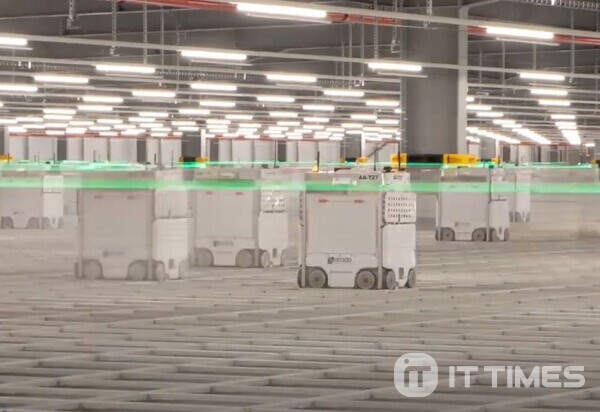
배송 및 물류와 관련된 자율 시스템 기술이 크게 발전될 것이다. 이미 많은 물류창고가 완전 자율화 됐지만, 2023년에는 자율 주행 트럭과 선박, 배송 로봇까지 투입될 전망이다. 영국 최대 슈퍼마켓 오카도(Ocado)는 수천 대의 자율 로봇을 사용하여 식료품을 분류하고 이동한다. 물류 창고의 AI눈 로봇이 인기 품목을 쉽게 옮길 수 있도록 위치를 조정한다. 현재 오카도는 자율 주행 기술을 통해 소매점으로 물류를 이동시키는 시스템을 구축하고 있다.
10. 지속 가능한 기술
컴퓨터, 스마트폰 부품의 원재료, 넷플릭스의 데이터 센터의 에너지 소비량 등 자연과 에너지에 대한 관심이 증가할 것이다. 2023년에는 소비자가 구매하는 제품과 서비스가 보다 효율적이고 보다 지속 가능한 기술로 뒷받침되기를 요구함에 따라 공급망을 보다 투명하게 만들기 위한 지속적인 노력을 보게 될 것이다.
[Summarizing in English]
[Forbes] The Top 10 Tech Trends In 2023
1. AI Everywhere
In 2023, artificial intelligence will become real in organizations. No-code AI, with its easy drag-and-drop interfaces, will enable any business to leverage its power to create more intelligent products and services. We’re already seeing this trend in the retail market. AI will make it easier for consumers to pay for and receive goods and services. AI will also augment nearly every job in every business process across industries.
2. Parts of the Metaverse Will Become Real
I don’t particularly care for the term “metaverse,” but it’s become shorthand for a more immersive internet where we’ll be able to work, play, and socialize on a persistent platform. Augmented reality (AR) and virtual reality (VR) technology will continue to advance. In fact, Microsoft and Nvidia are already developing metaverse platforms for collaborating on digital projects. We’ll also see more advanced avatar technology in the new year. An avatar — the presence we project as we engage with other users in the metaverse — could look exactly like we do in the real world, and motion capture will even enable our avatars to adopt our unique body language and gestures. Consulting giant Accenture has already created a metaverse environment called the Nth Floor.
3. Progress in Web3
Blockchain technology will also advance significantly in 2023 as companies create more decentralized products and services. For example, at the moment, we’re storing everything in the cloud — but if we decentralize data storage and encrypt that data using blockchain, our information will not only be safer, but we’ll have innovative ways to access and analyze it. Non-fungible tokens (NFTs) will become more usable and practical in the new year. For example, NFT tickets to concerts will potentially give you access to backstage experiences and memorabilia. NFTs might be the keys we use to interact with many of the digital products and services we buy, or they could represent contracts we enter into with other parties.
4. Bridging the Digital and Physical World
We’re already seeing an emerging bridge between the digital and physical worlds, and this trend will continue in 2023. There are two components of this merger: digital twin technology and 3D printing. Digital twins are virtual simulations of real-world processes, operations, or products that can be used to test new ideas in a safe digital environment. For example, Formula 1 teams currently collect data transmitted from sensors during races, as well as race track temperatures and weather conditions, to see how cars change during races. The teams then 3D print car parts based on the results of their testing.
5. Increasingly Editable Nature
We will live in a world where we can make changes to material, plants, and even humans by editing them. Nanotechnology will enable us to create materials with completely new features, such as water resistance and self-healing capabilities. CRISPR-Cas9 has been around for a few years, but in 2023 we’ll see gene editing technology accelerate to give us the increasing capability to “edit nature” by altering DNA.Gene editing works a bit like word processing, where you can take some words out and add others in — but you can do it with genes. Gene editing can be used to correct DNA mutations, solve the problem of food allergies, increase the health of crops, or even edit human characteristics like eye and hair color.
6. Quantum Progress
Right now, there is a worldwide race to develop quantum computing at scale. Quantum computing, which uses subatomic particles to create new ways of processing and storing information, is a technological leap that’s expected to bring us computers capable of operating a trillion times more quickly than the fastest traditional processors available today. The potential danger of quantum computing is that it could render our current encryption practices useless — so any nation that develops quantum computing at scale could break the encryption of other nations, businesses, security systems, and more. This is a trend to watch carefully in 2023 as countries like the US, UK, China, and Russia pour money into developing quantum computing technology.
7. Progress in Green Technology
One of the biggest challenges the world is facing right now is putting the brakes on our carbon emissions so we can tackle the climate crisis. In 2023, look for continued progress around green hydrogen, a new clean-burning source of energy that produces close to zero greenhouse gas emissions. Shell and RWE, two major European energy companies, are creating the first major green pipeline from wind plants in the North Sea. Distributed energy generation using this model provides a system of small power generators and storage that are located in communities or individual houses — so they can provide power even if the main grid is not available. Right now, our energy system is primarily dominated by huge gas and energy companies, but decentralized energy initiatives have the potential to democratize power worldwide while decreasing carbon emissions.
8. Robots Will Become More Human
In 2023, robots will become even more like humans — in appearance and capability. These types of robots will be used in the real world as event greeters, bartenders, concierges, and companions for older adults. They’ll also perform complex tasks in warehouses and factories as they work alongside humans in manufacturing and logistics. One company is working hard to create a human-like robot that will work in our homes. At Tesla AI Day in September 2022, Elon Musk revealed two Optimus humanoid robot prototypes, and said the company would be ready to take orders within the next 3 to 5 years.
9. Progress in Autonomous System
Business leaders will continue making progress in creating autonomous systems, particularly around delivery and logistics. Many factories and warehouses have already become partially or fully autonomous. In 2023, we’ll see even more self-driving trucks and ships, as well as delivery robots — and even more warehouses and factories will implement autonomous technology. The warehouse also uses AI to place the most popular items within easy reach of the robots. The Ocado company is now rolling out the autonomous technology behind their successful warehouses to other grocery retailers.
10. More Sustainable Technology
In 2023, we’ll see a continued push toward making supply chains more transparent, as consumers demand that the products and services they invest in are energy efficient and backed by more sustainable technology.